After an exhausting 31-hour journey on Turkish Airlines, we finally touched down in Havana. Fatigue unleashed my demons, bringing a wave of second-guessing: Had I made the right choice traveling to Cuba to participate in the Habanos World Challenge?
Arriving at José Martí International Airport did little to ease my anxieties. The airport was packed, and my checked luggage took more than two hours to appear, keeping me worried the entire time. Once everything worked out, I rushed outside, eager to see the city for the first time.
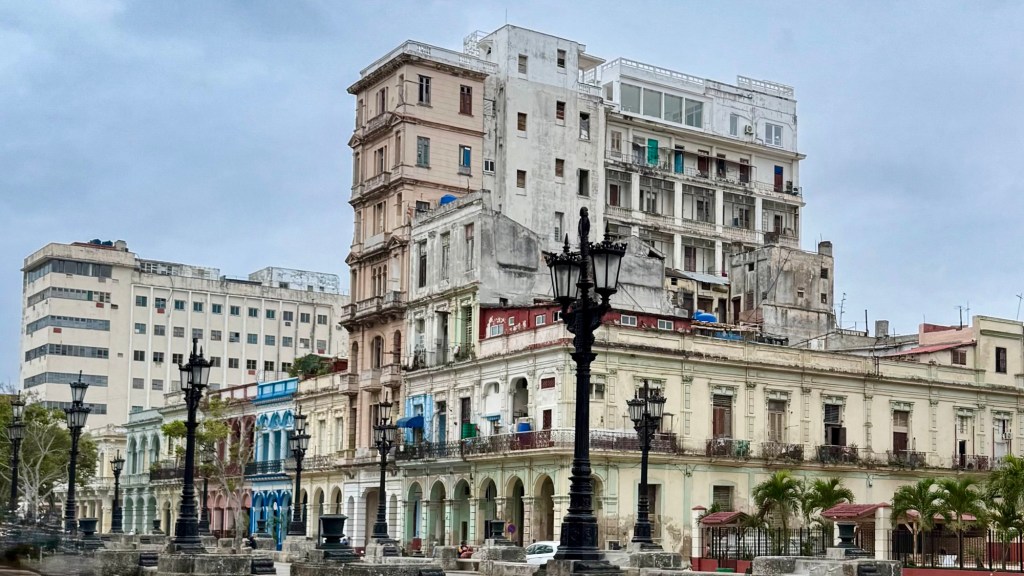
The drive from the airport was a surreal experience. The traffic was almost non-existent, except for a long queue outside a gas station. The city looked as if it were frozen in time; magnificent colonial and U.S.-influenced architecture stood in varying states of decay, creating a distinctive charm unique to Havana.
Our hotel of choice was the Iberostar Grand Packard, a five-star hotel set within a historical building on Paseo del Prado, ideally situated for exploring Old Havana on foot. However, the five-star rating can be misleading in Havana; essentials typically taken for granted, such as slippers, a tissue box, and automatic air conditioning, were missing from our room. It quickly became clear that I would need to adjust my expectations in order to fully appreciate the city.

After unpacking and taking a quick shower, I hurried downstairs to enjoy my first smoke in Havana: a Quai D’Orsay No. 50. Released in 2017, this cigar holds a special place in my heart, with its refined flavor and light strength that makes it ideal for any time of day. With every puff, I celebrated having made it through the demanding journey.
Our first meal was at El Aljibe, a Cuban restaurant known for traditional staples like rice and black beans, alongside chicken that tasted like it came from a well-worn egg-laying hen. We invited our driver to join us, and he savored every bite as if it were from a Michelin-starred restaurant. His enjoyment put my own complaints into perspective. What I found barely edible could be someone else’s delight. In that moment, I decided to keep future critiques about food to myself.
While Cuban citizens have their basic needs, such as food, housing, healthcare, and education, provided by the government, their overall living standards remain relatively low due to foreign-imposed restrictions and declining support from historically allied nations. Yet, the resilience of the Cuban people shines through in the way they maximize limited resources, a spirit that made me realize just how many everyday comforts I take for granted.
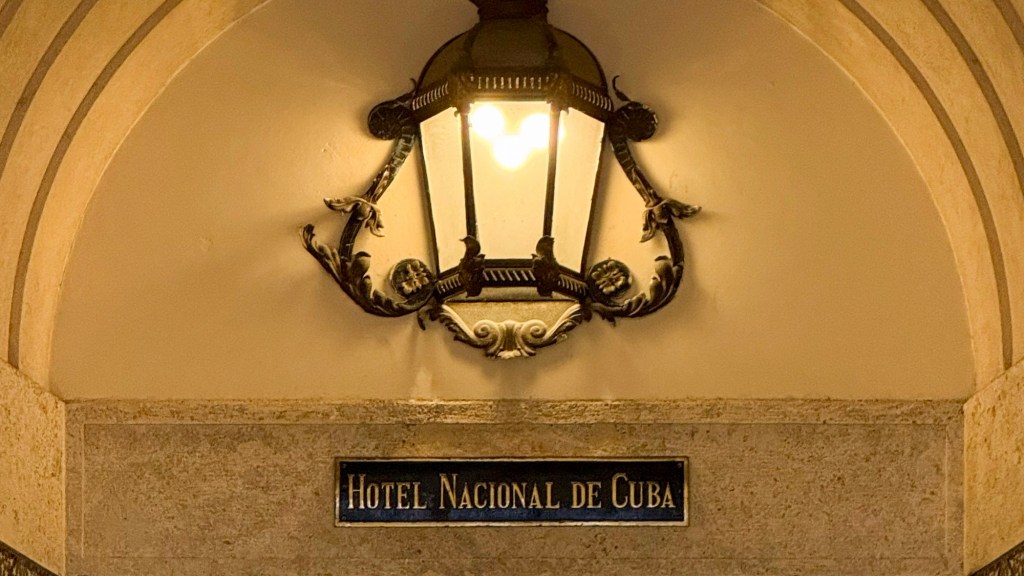
Our next stop was the legendary Hotel Nacional de Cuba. Stepping into its lobby felt like traveling back in time. I imagined the place packed with Hollywood stars and Mafia mobsters in its heyday. Unfortunately, the terrace overlooking the Malecón felt underwhelming: cheap decorations for the Chinese Lunar New Year blocked the view, a band repeatedly approached our table for tips, and the hotel’s famous cigar ashtrays had been replaced by cheap cigarette ashtrays.

Nevertheless, I lit my second cigar of the day, a Trinidad Vigia gifted to us during Trinidad’s 55th anniversary gala in Doha. As I enjoyed it, I realized that cigars somehow taste better in Havana, perhaps it is just the romance of being in their birthplace.
Exhausted, I returned to the hotel, squeezed in a bit of studying for the challenge, and then crashed for a solid 11 hours. I woke up hungry to yet another disappointment: a bland buffet in which the eggs were the only edible option. Thankfully, my friends had brought enough food from home to hold me over until lunch.

With a few hours free to explore the city, we wandered downtown, admiring some of Old Havana’s major attractions like the Capitolio, Gran Teatro de La Habana, and Parque de la Fraternidad. The city’s architecture is unlike anything I have ever seen. If time travel existed, Havana in its prime would be at the top of my destination list. Sadly, our walk was constantly interrupted by hustlers offering Cohibas, vintage car rides, and even “female companionship.” By the tenth offer in fifteen minutes, my brain began tuning their voices out.

After exploring Old Havana’s attractions, we headed straight to La Casa del Habano Partagás to purchase cigar boxes. Cuban regulations allow visitors to leave the country with up to 50 cigars without a receipt, which can only be obtained from official La Casa del Habano stores. This has led to shortages at official shops and an abundance of cigars elsewhere. Most of the inventory at La Casa del Habano Partagás consisted of either premium brands such as Cohiba and Trinidad or budget-friendly José L. Piedras, neither of which was what I was looking for. Fortunately, my friend suggested we visit the Cohiba Atmosphere in the Gran Hotel Manzana Kempinski. This turned out to be an excellent recommendation, as the store offered a more diverse selection, including Cohiba Lanceros, Montecristo No. 2, and Ramón Allones Specially Selected, all available as singles.

In preparing for the Habanos World Challenge, I became fascinated with a particular vitola called Cremas (40 × 140 mm), a pre-revolution size originally reserved for machine-made cigars. Thankfully, after Habanos decided to eliminate machine-made cigars from its portfolio, this size became available as totally hand-made, long filler cigars. I was thrilled to find a box of Super Partagas, one of the few remaining cigars made in this format. I also picked up a box of Bolivar Royal Coronas, a powerful Robusto that had been absent from my home market for years. Because I purchased these at a lounge, I didn’t receive a receipt, but at the time I wasn’t concerned since I hadn’t planned on bringing back many cigars. Little did I know how much that plan would change by the time I packed my bags to leave.
Although my arrival in Havana had been frustrating, I soon found myself captivated by the city’s crumbling beauty, timeless ambiance, and the remarkable resilience of its people. In just a short time, I felt humbled, enchanted, and eager for the adventures that lay ahead.
Click here to read part three of the series.


Leave a comment